
CCTV drain surveys and reports on the Isle of Man
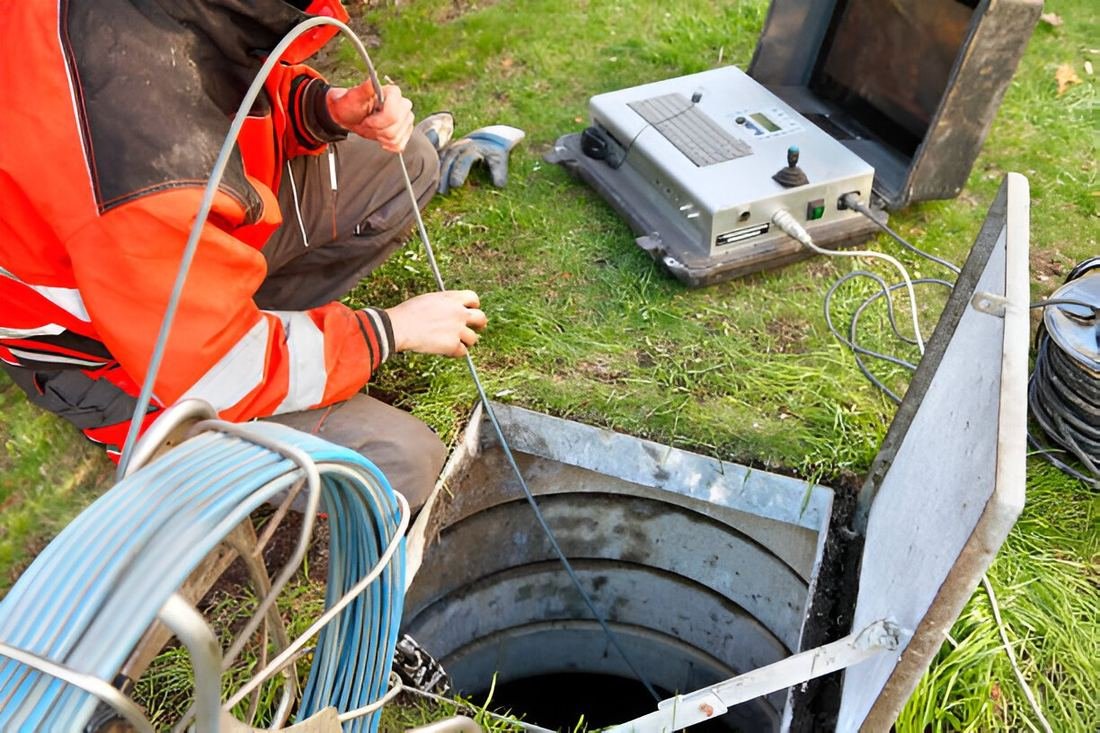
A small camera on a flexible cable travels through your drains and shows what's wrong, without any digging. You get the footage and a written report to use for repairs, insurance or a house purchase.
Or feel free to send a WhatsApp, photos welcome.
- Recorded footage and a written report
- Homebuyer drain surveys
- Pipe tracing to find where drains run
In short
- What it is
- A camera inspection of the inside of your drains, recorded from start to finish.
- When it helps
- Repeat blockages, bad smells, suspected leaks or subsidence, buying a property, planning an extension, or making an insurance claim.
- What you get
- The recorded footage, plus a written report of what we found, where it is, and what we'd recommend, including when nothing needs doing. You'll normally have it within a week.
- Finding pipes
- A small transmitter on the camera (a sonde) lets us trace the route and depth of a pipe from above ground.
- What it costs
- Your first consultation is free, and we give you a free estimate before any work starts.
See the problem before anyone starts digging
Clearing a blockage fixes today's problem. A camera shows why it happened. That matters, because the fix for a cracked joint is very different from the fix for a collapsed pipe, and you shouldn't be paying for the wrong one.
With the footage in front of us, any repair is based on evidence rather than guesswork. Often the survey shows the drain just needed a good clean. Sometimes it shows damage that can be relined without digging. Either way, you know where you stand.
Common reasons people ask us for one
Buying a house
A standard house survey usually only looks at what can be seen from the surface. A camera check shows the condition of the drains before they become your problem, which is especially worth doing on older properties or where there are trees nearby.
Blockages that keep coming back
If the same drain keeps blocking, something is causing it. Roots, a joint that has slipped out of line, or a dip in the pipe are the usual causes, and the camera shows which.
Insurance claims
Many buildings insurance policies cover accidental damage to underground drains, so it's worth checking yours. Our report sets out what's damaged and where, which is what an insurer usually asks for. We're trusted by the UK's leading insurers, though whether a claim is accepted is always up to your insurer.
Extensions and building work
Before you build over or near a drain, you need to know where it runs, how deep it is and what condition it's in. Finding out at the design stage avoids surprises once work starts.
Smells, damp, rats or subsidence
A broken pipe can let smells out, water into the ground and rats in. If you've noticed any of these near a drain, a survey will show whether the drain is to blame.
Landlords and businesses
A survey gives you a record of the condition of your drains, so you can plan maintenance rather than dealing with emergencies.
Problems a survey can show
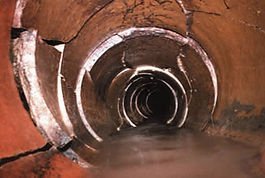
- Cracks and fractures in the pipe
- Collapsed or broken sections
- Joints that have opened up or slipped out of line
- Tree roots growing into the pipe
- Build-up of fat, scale or silt
- Dips (sags) where water and debris sit
- Old repairs that haven't held up
- Pipes connected to the wrong drain, such as a toilet going into a rainwater drain
18%
of repair-related subsidence claims in the UK are caused by leaking drains or water mains.
A cracked drain lets water seep into the ground around it. Over time that can wash the soil away, leaving hollows under paths and floors, and in bad cases movement in the building above.
Many could have been prevented with a proactive approach.
Source: Association of British Insurers subsidence data, reported by Insurance Edge, November 2025.
What happens during a survey
Access
We lift the manhole covers or use other access points. If the drain is blocked or dirty, we jet it clean first, because the camera can only report what it can see.
Inspect
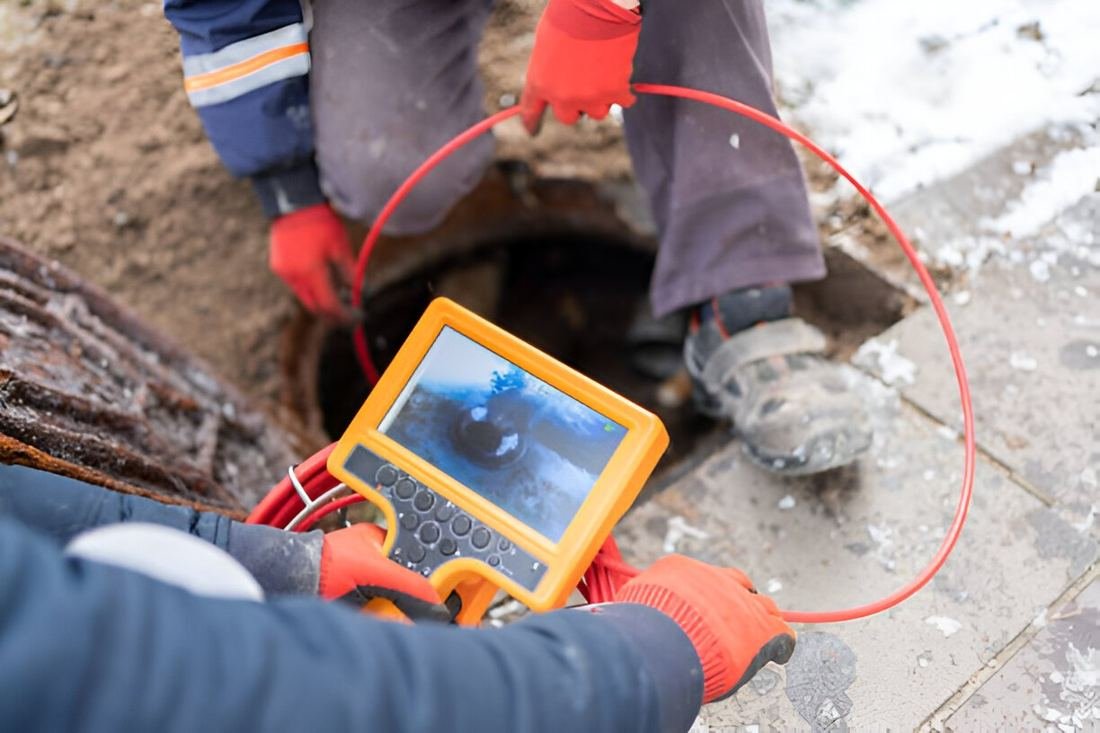
The camera travels along each pipe, recording video and measuring the distance from the access point, so every problem can be located exactly.
Trace, if needed
Where we need to know the route or depth of a pipe, we follow the camera's transmitter from above ground and mark it out.
Report
You get the footage and a written report listing what we found, where it is, and what we'd recommend. That could be nothing at all, a clean, a no-dig repair or an excavation repair.
What's in the report
We write reports for people who aren't drainage experts. Every defect is coded to MSCC5, the UK industry standard for drain surveys, and graded from 1 to 5 for structural and service condition, the way insurers and surveyors expect to see it. Each report covers:
- A simple layout of the drains we surveyed, and where they run
- Each problem found, with its distance from the access point and a still from the footage
- How serious each problem is, in plain words
- What we recommend, and why, including where no work is needed
- The full recorded footage
You'll normally have your report within a week of the survey.
The report is yours to keep. You're free to use it to get other quotes, show a buyer or seller, or send to your insurer.
CCTV drain survey FAQs
Does a camera survey involve any digging?
No. The camera goes in through the existing manholes and access points. If there's no access at all, we'll talk you through the options before doing anything.
Should I get a drain survey before buying a house?
It's worth considering, particularly for older properties, homes with large trees nearby, houses with a septic tank or treatment plant, or where the house survey mentions anything about the drains. Once you've bought the property, its private drains are your responsibility.
Can you survey a drain that's blocked?
We clear it first. The camera needs a clear view of the pipe to show its condition.
Will my insurance cover the repair?
It depends on your policy. Many buildings insurance policies cover accidental damage to underground drains, but not wear and tear. Our report shows what the damage is and where, which is what your insurer will ask for.
Can you find out where my drains go?
Yes. The camera carries a small transmitter, and we follow its signal from above ground to trace the route and depth of the pipe. This is useful before building work, or when nobody knows where a drain goes.
Do I get to see the footage?
Yes. You get the recording with your report.
Related pages
Want to know what's going on in your drains?
Tell us what you've noticed, or what you're planning, and we'll tell you whether a survey is worth doing.